


Women’s Road Running Shoes for All Skill Levels
January 11, 2026 | by Marketree
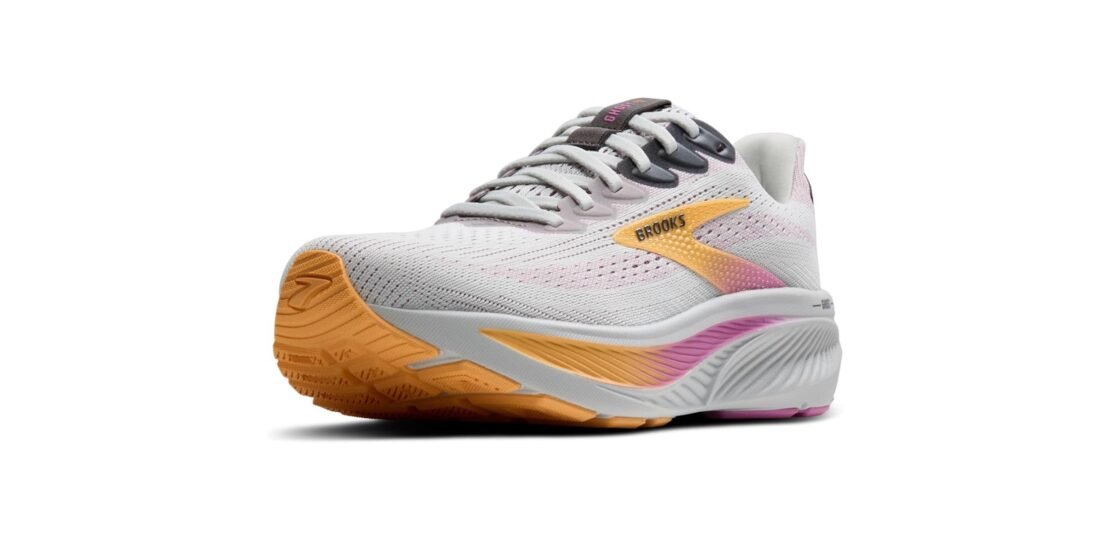
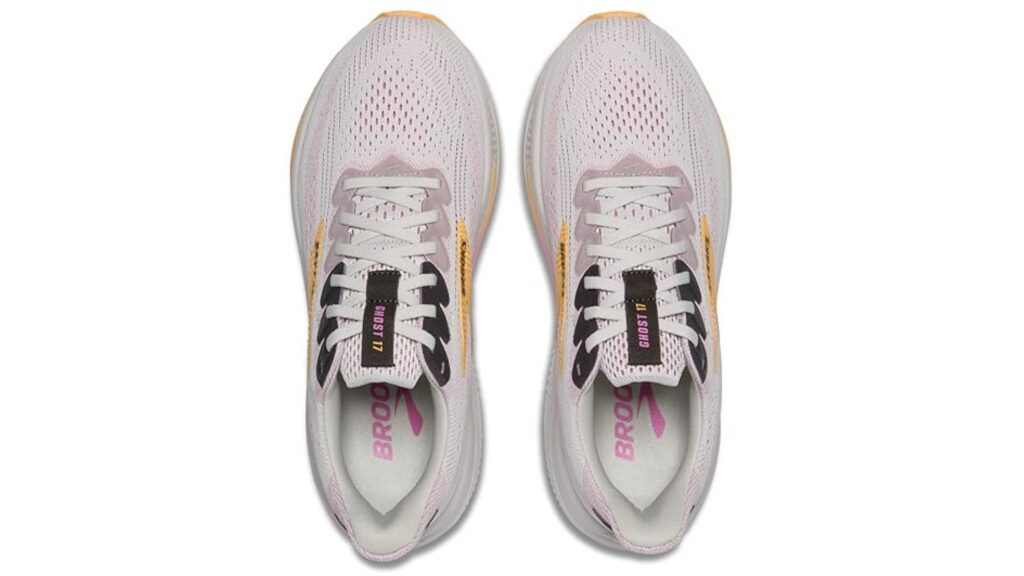
Women’s road running shoes represent the pinnacle of biomechanical engineering, material innovation, and athlete-centered design. We recognize that female runners demand footwear that delivers responsive cushioning, precise fit, and durable traction on paved surfaces. This guide presents an authoritative, in-depth exploration of the features, technologies, and considerations that define the best women’s road running shoes for training, racing, and everyday mileage.
Understanding the Anatomy of Women’s Road Running Shoes
Road running shoes are engineered for asphalt, concrete, and paved paths. We emphasize designs that prioritize shock absorption, smooth transitions, and lightweight efficiency.
Upper Construction and Fit Precision
The upper determines how the shoe adapts to the foot during motion. Premium women’s models use engineered mesh, knit textiles, or woven synthetics that balance breathability with structure. Anatomical shaping accommodates narrower heels, lower insteps, and female-specific arch contours, ensuring secure lockdown without pressure points.
Key benefits include:
- Targeted ventilation zones for temperature regulation
- Seamless overlays to reduce friction
- Adaptive lacing systems for customized midfoot support

Midsole Technologies for Cushioning and Energy Return
The midsole defines the ride quality. We focus on advanced foams that deliver plush comfort while maintaining propulsive responsiveness.
Cushioning Materials
Modern women’s road running shoes feature proprietary foams such as nitrogen-infused EVA, thermoplastic elastomers, and dual-density compounds. These materials provide:
- Impact attenuation for joint protection
- Energy return for efficient toe-off
- Consistent performance across long distances
Stack Height and Drop Considerations
Heel-to-toe drop influences running mechanics. Options range from low-drop (4–6 mm) for natural gait patterns to traditional drop (8–12 mm) for runners seeking heel cushioning. We recommend selecting stack height based on mileage goals and biomechanics.
Stability and Support Tailored for Women
Women’s road running shoes incorporate stability elements designed to guide the foot without rigidity.
Neutral vs. Stability Designs
- Neutral shoes offer balanced cushioning for runners with efficient mechanics.
- Stability shoes integrate medial support rails, guidance frames, or density gradients to control overpronation.
Female-specific stability systems are calibrated for lower body alignment, promoting smoother transitions and reduced fatigue.
Outsole Durability and Road Grip
The outsole must withstand repetitive contact with abrasive surfaces. We prioritize high-abrasion rubber compounds and strategic flex grooves.
Traction Patterns
Optimized tread designs enhance grip during:
- Wet pavement conditions
- Sharp cornering
- Urban running environments
Carbon-infused rubber in high-wear zones extends shoe lifespan without adding unnecessary weight.

Weight Optimization for Speed and Endurance
Weight plays a critical role in performance. Women’s road running shoes are engineered to remain lightweight while preserving cushioning integrity.
- Daily trainers typically range from 7.5–9.5 oz
- Tempo and race shoes may weigh under 7 oz
We value designs that reduce mass through streamlined uppers and high-rebound foams, enabling faster turnover and sustained comfort.
Breathability and Climate Adaptation
Thermal comfort directly impacts performance. Advanced ventilation systems ensure airflow during high-intensity efforts, while moisture-wicking linings manage sweat accumulation. Some models integrate seasonal adaptations, including slightly denser meshes for cooler climates.
Sizing, Widths, and Custom Fit
Accurate sizing is essential. Women’s road running shoes are available in multiple width options, including narrow and wide fits. We recommend:
- Allowing thumb-width space in the toe box
- Ensuring heel security without slippage
- Testing fit during end-of-day conditions when feet are naturally expanded
Gait Efficiency and Ride Dynamics
Ride quality defines how a shoe feels across varying paces. Rockered geometries, beveled heels, and responsive forefoots promote smooth heel-to-toe transitions. These elements enhance running economy and reduce muscular strain during long runs.
Durability and Longevity
High-quality women’s road running shoes are built to last 300–500 miles depending on runner weight, surface, and gait. Reinforced midsoles resist compression set, while resilient uppers maintain structure over time.
Sustainability and Responsible Materials
Sustainability is increasingly integral to footwear innovation. Many women’s road running shoes now feature:
- Recycled yarn uppers
- Bio-based foams
- Reduced manufacturing waste
These advancements deliver performance without compromising environmental responsibility.
Choosing the Right Shoe for Your Running Goals
We align shoe selection with intended use:
- Daily training: Balanced cushioning and durability
- Long-distance running: Maximum comfort and stability
- Speed workouts and races: Lightweight responsiveness
Matching shoe characteristics to training objectives enhances consistency and reduces injury risk.
Care and Maintenance for Peak Performance
Proper care extends shoe life:
- Rotate pairs to allow foam recovery
- Air-dry after wet runs
- Clean uppers gently to preserve materials
Consistent maintenance preserves cushioning integrity and fit.
Elevating Every Mile
Women’s road running shoes are precision tools crafted to empower runners across all levels. Through thoughtful design, advanced materials, and female-specific engineering, these shoes deliver the comfort, support, and efficiency required to perform at the highest standard on paved surfaces. We advocate informed selection, ensuring every run is supported by footwear that complements individual biomechanics and ambitions.

RELATED POSTS
View all

The Ultimate Guide to Quince Women’s Dresses
January 12, 2026 | by Marketree
The Ultimate Comfort: High Waisted Cotton Briefs for Women
January 3, 2026 | by Marketree
The Impressive Quality of Quince Clothing: A Full Review
January 12, 2026 | by Marketree