


The Truth About Queen Anne’s Lace: Weed, Wildflower, or Both?
January 16, 2026 | by Marketree
Introduction to Queen Anne’s Lace
Queen Anne’s lace is one of those plants you’ve definitely seen, even if you didn’t know its name. Picture a roadside meadow in summer, dotted with delicate white, umbrella-shaped flowers gently swaying in the breeze. That’s Queen Anne’s lace simple, elegant, and quietly complex.
But here’s the twist: this innocent-looking wildflower has a double life. To some, it’s a charming symbol of nature’s beauty. To others, it’s an invasive weed with a dark, dangerous lookalike. Curious already? You should be.
What Is Queen Anne’s Lace?
Queen Anne’s lace is a flowering plant best known for its flat clusters of tiny white flowers. It’s actually the wild ancestor of the carrot we eat today. Yes, that crunchy orange vegetable on your plate has a wild cousin growing along highways and fields.
Despite its graceful appearance, Queen Anne’s lace is tough, adaptable, and persistent. It thrives where many plants fail, which explains why it’s spread so widely.
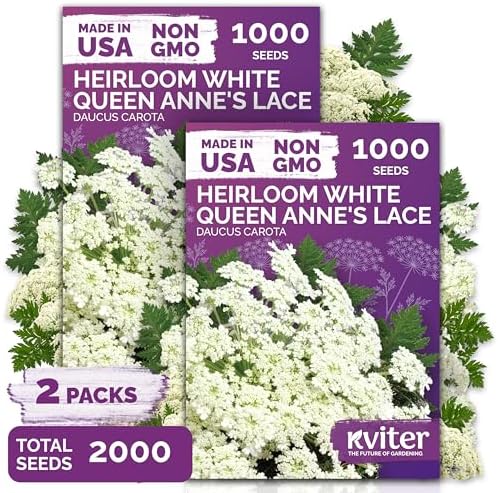
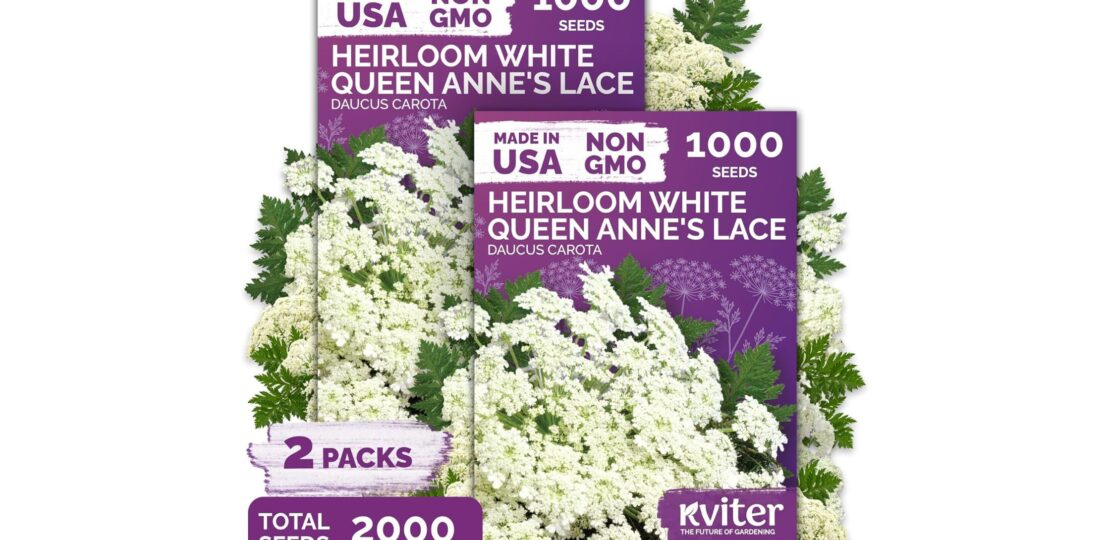
- Fast Germination: Ammi majus plant seeds sprouts in 14–20 days at 60–65°F when direct sown 1/8 inch deep in early spring…
- Easy To Plant: False queen anne’s lace garden seeds thrives in rich, well-drained soil and needs little water once matur…
- Tall Growth: Bishop flower seeds to plant outside form airy umbels on 24″ plant; space 18″ apart and stake if windy; ide…
Why Is It So Popular and Controversial?
People love Queen Anne’s lace for its lace-like beauty and usefulness to pollinators. At the same time, farmers and conservationists often see it as a nuisance. It spreads aggressively, competes with native plants, and can easily be confused with poisonous species.
It’s a bit like that charming guest who overstays their welcome lovely at first, complicated over time.
The History Behind Queen Anne’s Lace
Origin of the Name
The name “Queen Anne’s lace” comes wrapped in legend. According to folklore, Queen Anne of England challenged her ladies-in-waiting to create lace as beautiful as hers. When one of them pricked her finger, a drop of blood fell onto the lace.
That blood drop? Supposedly represented by the tiny purple floret found in the center of many Queen Anne’s lace flowers.
The Legend of Queen Anne
The purple dot isn’t just a botanical quirk it’s a storytelling hook. People believed it symbolized royalty, craftsmanship, and feminine artistry. Whether the story is true or not, it’s certainly stuck around.
Historical Uses in Europe
Historically, Queen Anne’s lace wasn’t just admired it was used. Europeans relied on it for medicinal remedies, food, and even dyes. The roots, when young, were eaten like carrots, and the seeds were used in herbal practices.
Botanical Classification
Scientific Name and Family
Queen Anne’s lace is scientifically known as Daucus carota. It belongs to the Apiaceae family, which includes carrots, parsley, fennel, and celery.
Relation to Other Plants
This family is famous and infamous. While it includes many edible herbs, it also contains highly toxic plants like poison hemlock. That’s why identification is absolutely critical.
How to Identify Queen Anne’s Lace
Flower Structure
The flowers grow in flat-topped clusters called umbels. Each cluster is made of dozens of tiny white blossoms, forming a shape that resembles a lace doily.
The Famous Purple Floret
Often right in the center is a single dark purple flower. Not every plant has it, but when it’s there, it’s a helpful clue for identification.
Leaves and Stem Characteristics
The leaves are finely divided and feathery, almost like carrot tops. The stem is green, hairy, and solid never hollow.
Root System Explained
Queen Anne’s lace has a slender, pale taproot that smells like carrot when crushed. Unlike cultivated carrots, it’s woody and not very tasty once mature.
Queen Anne’s Lace vs Poison Hemlock
Key Visual Differences
Poison hemlock has smooth, hollow stems with purple blotches. Queen Anne’s lace has hairy, solid stems with no blotches. This difference can literally save lives.
Why Misidentification Is Dangerous
Poison hemlock is deadly toxic. Mistaking it for Queen Anne’s lace can have fatal consequences. When in doubt, never touch or consume wild plants.
Where Queen Anne’s Lace Grows
Native and Introduced Regions
Originally native to Europe and Asia, Queen Anne’s lace now grows across North America, Australia, and parts of Africa.
Preferred Climate and Soil
It thrives in sunny areas with well-drained soil. Roadsides, fields, meadows, and pastures are its favorite hangouts.
Is Queen Anne’s Lace a Weed or a Wildflower?
Ecological Impact
Ecologically, it’s a mixed bag. While it provides food for insects, it can crowd out native species.

Invasive Concerns
In many regions, Queen Anne’s lace is considered invasive. Its rapid spread and seed production make it difficult to control.
Medicinal Uses of Queen Anne’s Lace
Traditional Herbal Medicine
Historically, the seeds were used as a diuretic and digestive aid. Some cultures even believed it had contraceptive properties.
Modern Herbal Perspectives
Modern herbalists approach it cautiously. While it has potential benefits, improper use can be risky.
Safety Considerations
Never self-medicate with Queen Anne’s lace. Confusion with toxic plants makes professional guidance essential.
Edible Uses of Queen Anne’s Lace
Is Queen Anne’s Lace Edible?
Technically, yes but only the young root. As the plant matures, the root becomes fibrous and bitter.
How the Root Was Used Historically
Before cultivated carrots existed, people relied on wild carrot roots as a food source, especially during hard times.
Queen Anne’s Lace in Gardening
Can You Grow It on Purpose?
Some gardeners intentionally grow Queen Anne’s lace for its aesthetic and pollinator benefits. However, strict control is recommended.
Benefits for Pollinators
Bees, butterflies, and beneficial insects love it. It’s like a natural buffet during summer.
Symbolism and Cultural Meaning
Meanings in Folklore
Queen Anne’s lace symbolizes sanctuary, delicacy, and femininity. It often represents the beauty found in simplicity.
Artistic and Literary References
Artists and poets have long used Queen Anne’s lace as a metaphor for grace and quiet strength.
Queen Anne’s Lace in Modern Landscaping
Naturalistic Garden Designs
It’s popular in wildflower meadows and cottage-style gardens where a natural look is desired.
Companion Plants
It pairs beautifully with black-eyed Susans, coneflowers, and native grasses.
Seasonal Life Cycle
Growth Stages
Queen Anne’s lace is a biennial plant. It grows leaves in the first year and flowers in the second.
Flowering and Seed Production
After flowering, the umbels curl inward, forming a “bird’s nest” shape that protects the seeds.
Environmental Benefits
Role in Pollinator Support
Its tiny flowers provide nectar for insects with short mouthparts.
Soil Health Contributions
The deep taproot helps break compacted soil, improving aeration.
Common Myths About Queen Anne’s Lace
Separating Fact From Fiction
No, it’s not always poisonous but confusing it with poisonous plants is dangerous. Respect and knowledge are key.
Conclusion
Queen Anne’s lace is more than just a roadside flower. It’s a plant rich in history, symbolism, beauty, and complexity. Loved by pollinators, debated by gardeners, and admired by artists, it continues to hold a unique place in our natural and cultural landscapes. Like many things in nature, it reminds us that beauty and danger sometimes grow side by side.
FAQs
1. Is Queen Anne’s lace the same as carrot?
Yes, it’s the wild ancestor of cultivated carrots.
2. Can Queen Anne’s lace be poisonous?
The plant itself is not poisonous, but it’s often confused with deadly poison hemlock.
3. Why does Queen Anne’s lace have a purple dot?
It’s a natural variation often linked to pollination and folklore.
4. Is Queen Anne’s lace invasive?
In many regions, yes. It spreads aggressively if left unmanaged.
5. Should I remove Queen Anne’s lace from my garden?
That depends on your local ecosystem and gardening goals. Controlled growth can be beneficial.

RELATED POSTS
View all


Know Your Curls: A Complete Curly Hair Types Guide
January 10, 2026 | by Marketree

The Ultimate Guide to the Best Curly Hair Products for Every Curl Type in 2026
January 6, 2026 | by Marketree