


Everything You Need to Know About Satin Fabric
January 14, 2026 | by Marketree
Introduction to Satin
What Is Satin?
Satin isn’t just a fabric it’s an experience. At its core, satin refers to a specific weaving technique that creates a glossy surface on one side and a duller finish on the other. This unique structure is what gives satin its signature shine and buttery-smooth feel. Unlike what many people think, satin isn’t a fiber like cotton or silk. It’s all about how the threads are woven together.
Why Satin Has Never Gone Out of Style
Trends come and go, but satin sticks around like a classic love song. Why? Because it effortlessly blends luxury with comfort. Whether it’s a red-carpet gown, a cozy pillowcase, or elegant curtains, satin adapts without losing its charm.
The History of Satin Fabric
Origins of Satin in Ancient China
Satin’s story begins in ancient China, where it was originally crafted from silk and reserved for royalty. It was considered a symbol of wealth, power, and refinement. Owning satin back then was like owning a sports car today exclusive and impressive.
Satin’s Journey to Europe
Through trade routes like the Silk Road, satin made its way to the Middle East and eventually Europe. European nobility quickly fell in love with it, using satin in lavish garments and royal décor.
Satin as a Symbol of Luxury
For centuries, satin has been associated with elegance. Even today, when you think of satin, words like “luxurious,” “romantic,” and “premium” instantly come to mind.
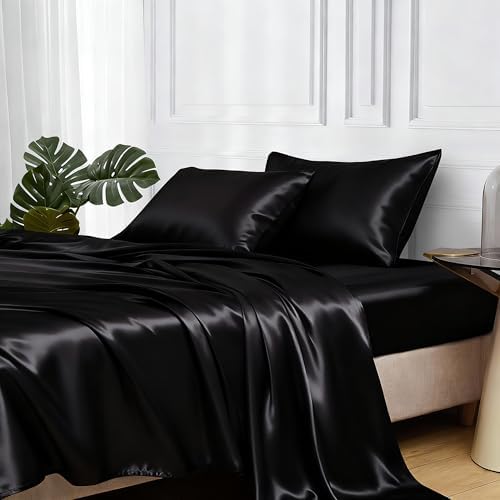
- Queen Size Bed Sheets Set 4 Pcs: Our package includes 1 Flat Sheet: 90″x 102″, 1 Fitted Sheet: 60″x 80″ + 15″ Deep Pocke…
- Goodbye to Messy Morning Hair: With our 600 thread count satin bed sheets, you can rest easy knowing your hair will be s…
- Enhance Your Beauty Sleep: Sleeping on our satin sheets feel silky and soothe the skin. In addition, the satin sheets re…
How Satin Is Made
The Satin Weave Explained
The satin weave allows threads to float over others, creating a smooth surface that reflects light beautifully. This weaving method is what gives satin its glossy face and soft drape.
Materials Used to Make Satin
Satin can be made from silk, polyester, nylon, or rayon. Each material changes how satin feels, looks, and performs.
Natural vs Synthetic Satin
Silk satin is breathable and ultra-soft, while synthetic satin is more affordable and durable. The choice depends on budget, purpose, and personal preference.
Types of Satin Fabric
Silk Satin
The gold standard. It’s breathable, luxurious, and incredibly soft but also pricey.
Polyester Satin
Budget-friendly and widely available. It mimics silk satin while being easier to maintain.
Charmeuse Satin
Lightweight with a stunning drape, perfect for dresses and lingerie.
Duchess Satin
Thick and structured, often used in bridal gowns and formal wear.
Crepe Satin
A matte back with a glossy front, offering texture and elegance in one fabric.
Key Characteristics of Satin
Smooth and Glossy Surface
That mirror-like shine is satin’s calling card. It catches the light and elevates any look instantly.
Softness and Drapability
Satin flows like water. It hugs the body gently without feeling stiff.
Durability and Strength
Despite its delicate appearance, satin can be surprisingly strong especially when made with synthetic fibers.
Benefits of Satin
Skin-Friendly Properties
Satin reduces friction, which helps prevent skin irritation and wrinkles. Beauty sleep? Satin has your back.
Hair Protection Benefits
Say goodbye to frizz and breakage. Satin pillowcases help hair retain moisture and stay smooth.
Temperature Regulation
Satin feels cool in summer and cozy in winter, making it perfect for year-round use.
Common Uses of Satin
Satin in Fashion
From slip dresses to blouses and evening gowns, satin screams sophistication.
Satin for Bedding
Pillowcases, sheets, and duvet covers made from satin offer both comfort and beauty benefits.
Satin in Home Décor
Curtains, cushions, and table runners made of satin add instant elegance.
Satin Accessories
Hair bonnets, scarves, and scrunchies small satin items with big benefits.
Satin vs Silk
Key Differences
Silk is a natural fiber; satin is a weave. Silk satin combines both, while polyester satin offers affordability.
Which One Should You Choose?
If budget allows, silk satin is unmatched. Otherwise, high-quality polyester satin is a solid alternative.
Satin vs Cotton
Comfort Comparison
Cotton is breathable, but satin is smoother and gentler on skin and hair.
Maintenance Differences
Cotton is easier to wash, while satin requires more care but the benefits often outweigh the effort.
How to Care for Satin Fabric
Washing Satin Safely
Hand wash or use a gentle cycle with cold water. Treat satin like a delicate friend.
Drying and Ironing Tips
Air dry when possible. Use low heat or steam to remove wrinkles.
Storage Best Practices
Hang satin garments or store them folded with care to avoid creases.
Satin for Beauty and Wellness
Satin Pillowcases Explained
They reduce friction, lock in moisture, and support healthier skin and hair.
Satin Sleepwear Benefits
Soft, breathable, and stylish sleeping in satin feels like a nightly upgrade.
Is Satin Sustainable?
Eco-Friendly Satin Options
Look for satin made from organic silk or recycled polyester.
How to Choose Responsible Satin
Check certifications and opt for brands that prioritize ethical production.
How to Identify High-Quality Satin
Weave and Shine Check
Quality satin has a consistent weave and a soft, not plastic-looking shine.
Feel and Weight Test
Good satin feels smooth and substantial, not flimsy.
Styling Tips for Satin Clothing
Casual Satin Looks
Pair satin tops with denim for effortless chic.
Formal Satin Outfits
Satin dresses and skirts shine best with minimal accessories.
Common Myths About Satin
Satin Is Slippery and Hard to Wear
With proper fit and styling, satin is surprisingly easy to wear.
Satin Is Always Expensive
Thanks to modern materials, satin is now accessible to everyone.
Conclusion
Why Satin Deserves a Place in Your Life
Satin is more than just a pretty fabric it’s a lifestyle upgrade. From fashion to beauty to home comfort, satin delivers elegance without trying too hard. Once you experience it, there’s no going back.
FAQs
1. Is satin good for sensitive skin?
Yes, satin’s smooth surface reduces irritation and friction.
2. Can satin be worn daily?
Absolutely. With the right care, satin works for everyday wear.
3. Does satin make you sweat?
Breathability depends on the fiber used. Silk satin is more breathable than polyester.
4. Is satin better than silk?
They serve different purposes. Satin refers to weave; silk refers to fiber.
5. How long does satin last?
High-quality satin can last for years with proper care.

RELATED POSTS
View all

Knee-High Boots: The Ultimate Guide to Timeless Fashion
January 11, 2026 | by Marketree
The Ultimate Guide to Men’s Sleeveless T-Shirts
January 5, 2026 | by Marketree
Faux Fur Jackets 101: Types, Styles, and How to Wear Them
January 13, 2026 | by Marketree